Fire-damaged vehicles present unique challenges that require specialized equipment, training, and safety protocols.
Risks Associated with Fire-Damaged Vehicles
Fire-damaged vehicles pose significant risks that require careful assessment and specialized handling. Understanding these risks is crucial for safe recovery operations.
Structural Integrity Risks
Fire can severely compromise a vehicle's structural integrity, making it unsafe to handle with standard equipment.
- Weakened frame and body panels
- Compromised suspension components
- Damaged safety systems
- Unstable vehicle structure
Chemical and Toxic Hazards
Burned vehicles can release toxic chemicals and hazardous materials that pose health risks to recovery personnel.
- Toxic fumes and smoke residue
- Battery acid exposure
- Burning plastic and rubber
- Chemical contamination
Electrical System Hazards
Fire-damaged electrical systems can pose serious risks, including potential for electrical shock or reignition.
- Damaged wiring and circuits
- Battery explosion risks
- Electrical short circuits
- Potential reignition sources
Environmental Contamination
Fire-damaged vehicles can leak hazardous fluids and materials that pose environmental risks.
- Oil and fuel leaks
- Coolant contamination
- Battery acid spills
- Chemical runoff
Specialized Safety Protocols
Professional fire recovery services follow strict safety protocols designed to protect both the recovery team and the public during fire-damaged vehicle operations.
Initial Assessment and Safety Zone
Before any recovery operation begins, a thorough assessment is conducted to establish safety zones and identify potential hazards.
- Establish 100-foot safety perimeter
- Assess structural integrity
- Identify hazardous materials
- Coordinate with emergency services
Personal Protective Equipment (PPE)
All recovery personnel must wear specialized protective equipment designed for fire-damaged vehicle operations.
- Fire-resistant clothing
- Respiratory protection
- Chemical-resistant gloves
- Safety helmets and eyewear
Specialized Recovery Techniques
Fire-damaged vehicles require specialized recovery techniques that differ significantly from standard towing operations.
- Gentle handling procedures
- Structural support systems
- Containment measures
- Stabilization techniques
Emergency Response Coordination
Fire recovery operations are coordinated with local emergency services to ensure public safety and proper incident management.
- Fire department coordination
- Police traffic control
- Medical emergency response
- Environmental protection measures
Equipment Required for Fire Recovery
Fire recovery operations require specialized equipment designed to handle the unique challenges posed by fire-damaged vehicles safely and efficiently.
Specialized Recovery Equipment
Heavy-Duty Recovery Trucks
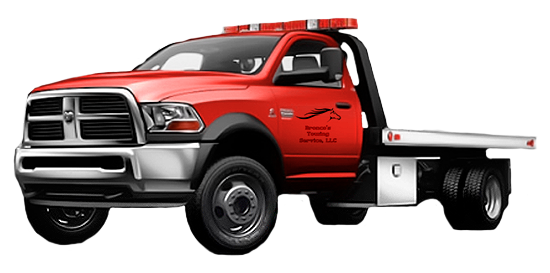
Specially equipped trucks with enhanced lifting capacity and stabilization systems for fire-damaged vehicles.
Hydraulic Stabilization Systems
Advanced hydraulic systems that provide gentle, controlled lifting and stabilization of compromised vehicles.
Containment Equipment
Specialized containment systems to prevent hazardous material leaks and environmental contamination.
Fire Suppression Systems
On-board fire suppression equipment to handle any flare-ups during recovery operations.
Safety and Protection Equipment
Respiratory Protection
Advanced respiratory equipment to protect recovery personnel from toxic fumes and smoke.
Temperature Monitoring
Infrared cameras and temperature sensors to monitor for hot spots and potential reignition.
Ventilation Systems
Portable ventilation equipment to disperse toxic fumes and improve air quality at the recovery site.
Chemical Neutralization
Specialized chemicals and materials to neutralize battery acid and other hazardous substances.
Environmental Protection Equipment
Spill Containment
Absorbent materials and containment barriers to prevent environmental contamination from leaks.
Hazardous Waste Containers
Specialized containers for the safe transport and disposal of hazardous materials and debris.
Cleanup Equipment
Professional cleanup equipment to restore the recovery site to safe conditions.
Environmental Monitoring
Equipment to monitor air quality and environmental conditions during and after recovery operations.
Environmental and Legal Considerations
Fire recovery operations must consider environmental impact and legal requirements to ensure compliance and proper handling of hazardous materials.
Environmental Protection Requirements
Fire recovery operations must comply with strict environmental regulations to protect local ecosystems and water sources.
- EPA compliance requirements
- Local environmental regulations
- Waterway protection measures
- Air quality standards
Legal and Regulatory Compliance
Fire recovery operations must adhere to various legal requirements and obtain necessary permits and authorizations.
- Hazardous waste permits
- Transportation permits
- Environmental impact assessments
- Insurance and liability coverage
Documentation and Reporting
Comprehensive documentation is required for all fire recovery operations to ensure compliance and liability protection.
- Incident reports and assessments
- Environmental impact documentation
- Waste disposal manifests
- Safety protocol compliance records
Insurance and Liability Considerations
Fire recovery operations require specialized insurance coverage to protect against potential liabilities and damages.
- Environmental liability insurance
- Professional liability coverage
- Property damage protection
- Worker safety insurance
🛡️ Fire Recovery Compliance Checklist
Pre-Recovery Assessment
Recovery Operations
Post-Recovery
Conclusion
Professional fire recovery services provide the expertise, equipment, and protocols necessary to safely handle fire-damaged vehicles while protecting public safety and the environment.